What is Meningitis? Essential Facts About This Potentially Fatal Disease
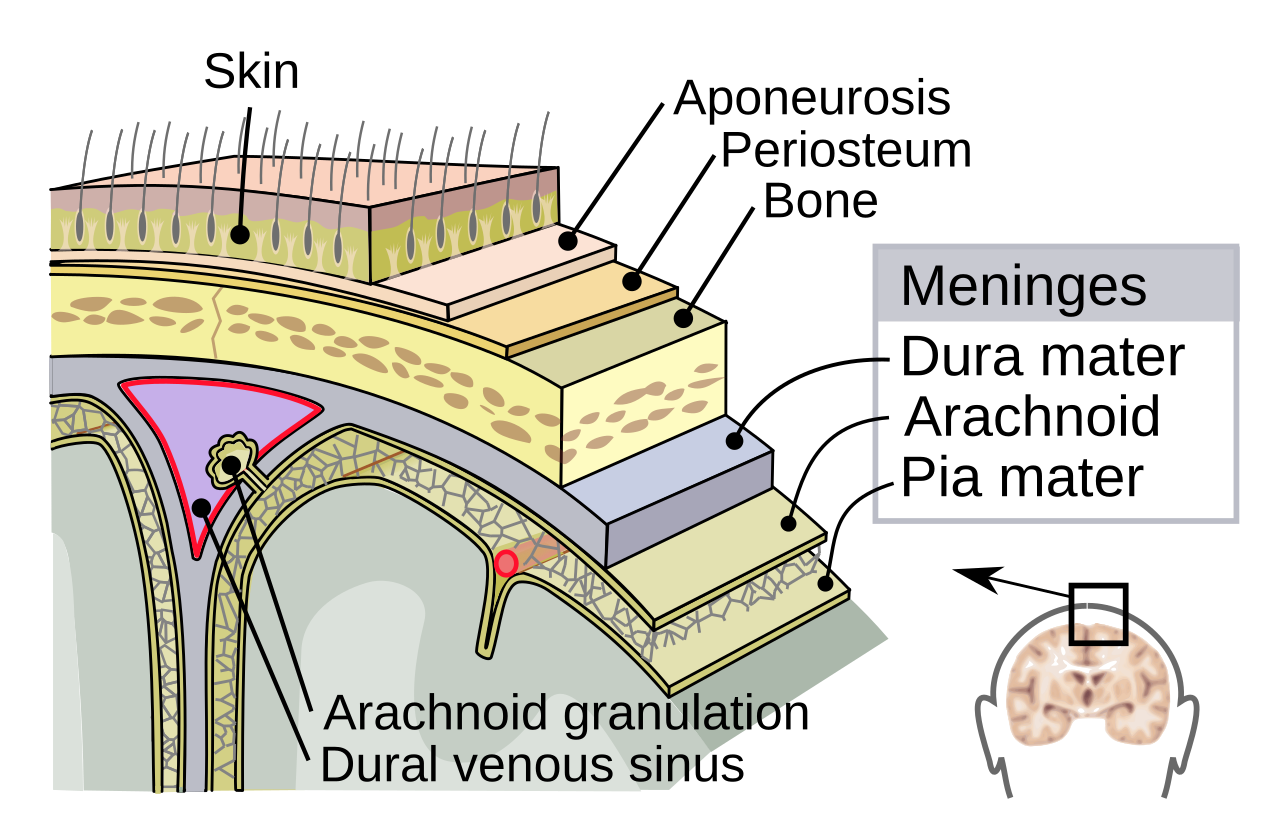
Meningitis is a term that often evokes fear, and for good reason. It’s a serious medical condition characterized by inflammation of the protective membranes surrounding the brain and spinal cord, collectively known as the meninges. While potentially fatal, early recognition and prompt treatment can significantly improve outcomes. If you're searching for "Meningitis Wiki" to understand this disease, you've come to the right place for a comprehensive overview of its causes, symptoms, diagnosis, treatment, and prevention.
Understanding Meningitis: The Basics
At its core, meningitis is an inflammatory response affecting the meninges, the three layers of tissue (dura mater, arachnoid mater, and pia mater) that encase and protect the central nervous system. This inflammation can be acute, developing rapidly, or chronic, persisting over a longer period.
The primary culprits behind meningitis are typically infections. These can be:
- Bacterial Meningitis: Often the most severe and rapidly progressing form. Common bacteria include Streptococcus pneumoniae, Neisseria meningitidis, and Haemophilus influenzae type b (Hib). This form can lead to serious complications, including brain damage, hearing loss, or death, if not treated immediately with antibiotics.
- Viral Meningitis: Generally less severe than its bacterial counterpart, often resolving on its own. It's caused by viruses like enteroviruses, herpes simplex virus, or mumps virus.
- Fungal Meningitis: Rare, but more common in individuals with weakened immune systems.
- Parasitic Meningitis: Extremely rare and often fatal, typically caused by amoebas.
Beyond infections, meningitis can also be non-infectious, arising from conditions like cancer, lupus, certain drug reactions, or head injuries. Understanding the specific cause is crucial for effective treatment.
Recognizing the Red Flags: Symptoms of Meningitis
The symptoms of meningitis can vary depending on the patient's age and the cause of the inflammation. However, there are several key indicators that should never be ignored. Someone looking for a "Meningitis Wiki" will find this section particularly vital for quick identification.
Common Adult Symptoms
In adults and older children, meningitis often manifests with a characteristic triad of symptoms:
- Intense Headache: Often severe and persistent, unlike a typical tension headache.
- Fever: A sudden high temperature.
- Neck Stiffness (Nuchal Rigidity): Difficulty and pain when trying to touch the chin to the chest.
Other common symptoms include:
- Photophobia: Increased sensitivity to light.
- Phonophobia: Inability to tolerate loud noises.
- Vomiting and Nausea: Often projectile.
- Confusion or Altered Consciousness: Difficulty concentrating, disorientation, or drowsiness.
- Rash: Particularly with bacterial meningitis (especially meningococcal disease), a distinctive non-blanching rash (meaning it doesn't fade when a glass is rolled over it) can appear. This is a medical emergency.
Symptoms in Young Children and Infants
Diagnosing meningitis in infants and young children can be particularly challenging because their symptoms are often non-specific. Parents searching for "Meningitis Wiki" information for their little ones should be especially vigilant. Key signs to watch for include:
- Irritability: Unusually fussy or difficult to comfort.
- Drowsiness or Lethargy: Excessive sleepiness, difficulty waking, or lack of engagement.
- Poor Feeding: Refusal to eat or drink.
- High-pitched Cry: A distinctive, unusual cry.
- Bulging Fontanelle: The soft spot on a baby's head may bulge.
- Non-blanching Rash: Similar to adults, this can be a critical indicator of bacterial meningitis.
Due to the subtlety of these symptoms, it is absolutely essential to seek immediate medical attention if meningitis is suspected in a child or infant. For a deeper dive into recognizing these vital signs, you can refer to our detailed guide:
Recognizing Meningitis: Key Symptoms in Adults and Children.
The Critical Role of Early Diagnosis and Treatment
Meningitis, especially bacterial meningitis, is a race against time. The disease can progress rapidly, leading to severe complications or death within hours if not treated promptly. This urgency highlights why reliable information, much like a comprehensive "Meningitis Wiki," is so vital.
The historical context dramatically underscores this point. Imagine a world without life-saving antibiotics. In a fascinating "what if" scenario from an alternative timeline, it was theorized that had Alexander Fleming not discovered penicillin in 1928, the consequences for humanity would have been dire. Without the protection offered by penicillin and subsequent antibiotics, new strains of meningitis and pneumonia could have devastated populations. This isn't just a fictional thought experiment; it powerfully illustrates the real-world impact of medical breakthroughs. The ability to treat bacterial meningitis with antibiotics like penicillin revolutionized medicine and saved countless lives, fundamentally altering the course of human history and development. To explore this critical impact further, read our article on
Penicillin's Impact: Meningitis in a World Without the Cure.
Today, if meningitis is suspected, doctors will typically perform tests such as a lumbar puncture (spinal tap) to analyze cerebrospinal fluid (CSF), blood tests, and imaging scans. Once diagnosed, treatment varies based on the cause:
- Bacterial Meningitis: Requires immediate hospitalization and intravenous antibiotics. The specific antibiotic depends on the suspected bacteria.
- Viral Meningitis: Often requires only supportive care, including rest, fluids, and pain relievers. Antiviral medications may be used in specific cases (e.g., herpes meningitis).
- Fungal Meningitis: Treated with long courses of antifungal medications.
Early intervention is the key to preventing long-term complications such as hearing loss, brain damage, learning disabilities, seizures, and even limb loss in severe cases of bacterial meningitis.
Prevention Strategies: Protecting Yourself and Others
While treatment is crucial, prevention is always the best defense against meningitis. Several strategies are available to reduce the risk of contracting and spreading this potentially devastating disease:
- Vaccinations: Immunization is one of the most effective ways to prevent several forms of bacterial meningitis. Key vaccines include:
- Meningococcal Vaccines: Protect against Neisseria meningitidis (e.g., MenACWY and MenB).
- Pneumococcal Vaccines: Protect against Streptococcus pneumoniae (e.g., PCV13 and PPSV23).
- Hib Vaccine: Protects against Haemophilus influenzae type b.
Adhering to recommended vaccination schedules for children and adults is paramount.
- Good Hygiene Practices: Many of the bacteria and viruses that cause meningitis can be spread through respiratory droplets and close contact. Regular hand washing, covering coughs and sneezes, and avoiding sharing utensils or personal items can help reduce transmission.
- Healthy Lifestyle: Maintaining a strong immune system through adequate sleep, a balanced diet, and regular exercise can help your body fight off infections.
- Prophylactic Antibiotics: In some cases, close contacts of individuals diagnosed with certain types of bacterial meningitis may be given antibiotics to prevent them from developing the disease.
Understanding these preventative measures, alongside recognizing symptoms, forms a robust defense against meningitis.
Conclusion
Meningitis is a serious and potentially fatal disease demanding vigilance and swift action. From its diverse causes to its varied symptoms in adults and children, awareness is your most powerful tool. As this "Meningitis Wiki" style article demonstrates, recognizing the warning signs, understanding the urgency of medical intervention, and embracing preventative measures like vaccination are critical steps in protecting ourselves and our communities. Never underestimate the importance of immediate medical evaluation if you suspect meningitis; prompt diagnosis and treatment can mean the difference between life and death or a lifetime of severe complications. Stay informed, stay safe, and act quickly.