Recognizing Meningitis: Key Symptoms in Adults and Children
Meningitis, an insidious and potentially devastating disease, is an acute or chronic inflammation of the protective membranes covering the brain and spinal cord, collectively known as the meninges. Understanding its symptoms is paramount, as early detection can be the difference between a full recovery and severe, life-altering complications or even death. This comprehensive guide aims to illuminate the crucial signs of meningitis in both adults and children, drawing on vital information to help you identify this serious condition promptly. For a deeper dive into this condition, exploring a Meningitis Wiki provides invaluable foundational knowledge.
What is Meningitis? Understanding the Basics
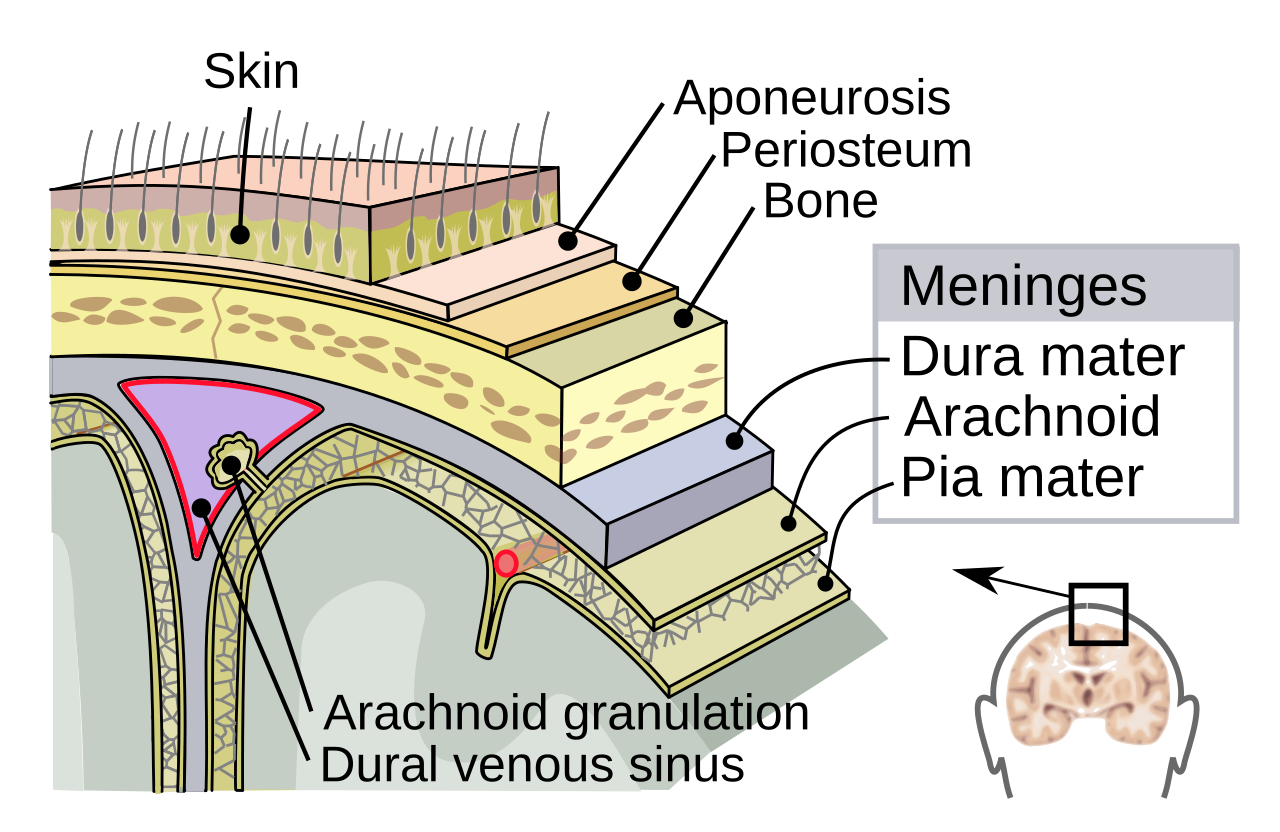
At its core, meningitis involves the inflammation of the meninges—three layers of tissue that protect the central nervous system. This inflammation can stem from various sources, most commonly bacterial or viral infections, though fungal, parasitic, and non-infectious causes also exist. Bacterial meningitis, in particular, is extremely dangerous and requires immediate medical attention. The rapid progression of the disease means that vigilance and an understanding of its warning signs are critical for anyone seeking to quickly comprehend and respond to meningitis.
The impact of this disease cannot be overstated. History, and even fictional narratives, underscore the devastating consequences of unchecked meningitis. Imagining a world without the life-saving antibiotics we possess today, as depicted in some alternative histories where pivotal discoveries like penicillin were never made, vividly illustrates the potential for meningitis to wreak havoc on populations. This historical perspective reinforces the urgency of recognizing symptoms and seeking prompt treatment in our current medical landscape.
Key Symptoms of Meningitis in Adults and Older Children
In adults and older children, meningitis often presents with a cluster of distinct symptoms that, while sometimes mirroring other illnesses, should raise immediate alarm when appearing together or rapidly worsening. The classic triad of symptoms includes fever, headache, and neck stiffness, but several other crucial signs often accompany these:
- Intense Headache: Often described as severe and persistent, unlike a typical tension headache. It can be a "thunderclap" headache, coming on very suddenly.
- High Fever: A sudden onset of a high temperature, often accompanied by chills and body aches.
- Stiff Neck (Nuchal Rigidity): Difficulty or pain when trying to touch the chin to the chest. This is a hallmark symptom and should never be ignored.
- Vomiting and Nausea: These symptoms are common and may not be related to food intake.
- Photophobia (Sensitivity to Light): Patients may find bright lights uncomfortable or painful, seeking dimmer environments.
- Phonophobia (Inability to Tolerate Loud Noises): Similar to light sensitivity, loud sounds can exacerbate discomfort.
- Confusion or Altered Consciousness: This can range from difficulty concentrating and drowsiness to disorientation, irritability, or even a reduced level of consciousness. This is a grave sign and indicates neurological involvement.
- Seizures: In some cases, particularly with severe bacterial meningitis, seizures can occur.
It's vital to understand that these symptoms arise from the inflammation and swelling of the meninges, which puts pressure on the brain and spinal cord. Any combination of these symptoms, especially the headache, fever, and neck stiffness, warrants immediate medical evaluation. Do not delay seeking emergency care if you suspect meningitis.
Recognizing Meningitis in Babies and Young Children: A Unique Challenge
Diagnosing meningitis in infants and very young children presents a significant challenge because they often exhibit only non-specific symptoms, which can easily be mistaken for common childhood ailments. Their inability to articulate their discomfort makes parental vigilance even more critical. Inspired by public health campaigns focusing on child well-being, such as the "Meningitis Baby Watch" initiatives, it’s clear that focused awareness for this age group is essential.
Key non-specific signs to look out for in babies and young children include:
- Irritability: An unusual level of fussiness or crying that cannot be soothed.
- Drowsiness or Lethargy: Being unusually sleepy, difficult to wake, or floppy.
- Poor Feeding: Refusing feeds, or feeding less than usual.
- Bulging Fontanelle: In infants, the soft spot on their head (fontanelle) may bulge outwards due to increased pressure inside the skull.
- Unusual Cry: A high-pitched, moaning, or weak cry.
- Stiffness or Floppiness: The baby might be unusually stiff or floppy, or have jerky movements.
- Pale or Blotchy Skin: Changes in skin colour can be a sign of severe illness.
- Vomiting: Similar to adults, vomiting without an obvious cause.
Because these symptoms are so vague, parents and caregivers must trust their instincts. If a baby or young child seems unusually unwell and their condition is concerning, it's always best to seek urgent medical advice. Time is of the essence, especially with bacterial meningitis, where every hour counts.
The Critical Non-Blanching Rash: A Visual Red Flag
While not present in all forms of meningitis, a non-blanching rash is a particularly dangerous sign, most commonly associated with meningococcal meningitis (a bacterial form). This rash appears as tiny red or purple spots, or larger blotches, which do not fade or change colour when pressed with a glass. This is often referred to as the "glass test."
How to perform the glass test: Press the side of a clear drinking glass firmly against the rash. If the spots do not fade under the pressure, resembling tiny bruises or pinpricks that remain visible, it is a non-blanching rash. This indicates bleeding under the skin and is a medical emergency.
Immediate Action: If you see a non-blanching rash, particularly alongside other meningitis symptoms, seek emergency medical help immediately. Do not wait for other symptoms to appear or worsen.
Why Early Recognition Matters: The Stakes Are High
The severity of meningitis, especially its bacterial forms, cannot be overemphasized. It remains a potentially fatal disease. Without timely diagnosis and treatment, particularly with appropriate antibiotics, bacterial meningitis can lead to catastrophic outcomes. These include permanent brain damage, hearing loss, learning disabilities, epilepsy, and even death. The fictional scenario of a world without penicillin, for instance, dramatically underscores how vulnerable humanity would be to such infections, highlighting Penicillin's Impact: Meningitis in a World Without the Cure. This alternate reality serves as a stark reminder of the critical role modern medicine plays in combating this formidable disease.
Viral meningitis is typically less severe and often resolves on its own, but it can still cause significant discomfort and in some cases, severe complications. Differentiating between viral and bacterial forms requires medical testing, which is why professional diagnosis is always essential.
Practical Tips for Parents and Caregivers
Being prepared and informed is your best defense against meningitis:
- Trust Your Gut: If you or your child seems unusually unwell and you have a gut feeling that something isn't right, seek medical advice. Parents often know their children best.
- Know the Symptoms: Familiarize yourself with both the classic and non-specific symptoms for all age groups.
- Vaccinate: Ensure you and your family are up-to-date with recommended vaccinations, including those against meningococcal, pneumococcal, and Hib bacteria, which are common causes of bacterial meningitis.
- Practice Good Hygiene: Washing hands frequently can help prevent the spread of germs that cause meningitis.
- Act Fast: If you suspect meningitis, do not wait. Call emergency services or go to the nearest emergency room immediately. Describe the symptoms clearly.
- Stay Informed: Regularly check reliable health resources for the latest information and advice on meningitis.
Conclusion
Meningitis is a grave condition that demands immediate attention. Recognizing its diverse range of symptoms, from the classic triad in adults to the often subtle and non-specific signs in infants, is the first and most critical step towards a positive outcome. Vigilance, rapid action, and seeking prompt medical care are paramount in the fight against this disease. By understanding and identifying the key symptoms, you equip yourself with the knowledge to potentially save a life. For further essential information and a comprehensive understanding, consult a What is Meningitis? Essential Facts About This Potentially Fatal Disease resource.