Understanding Meningitis: A Comprehensive Overview
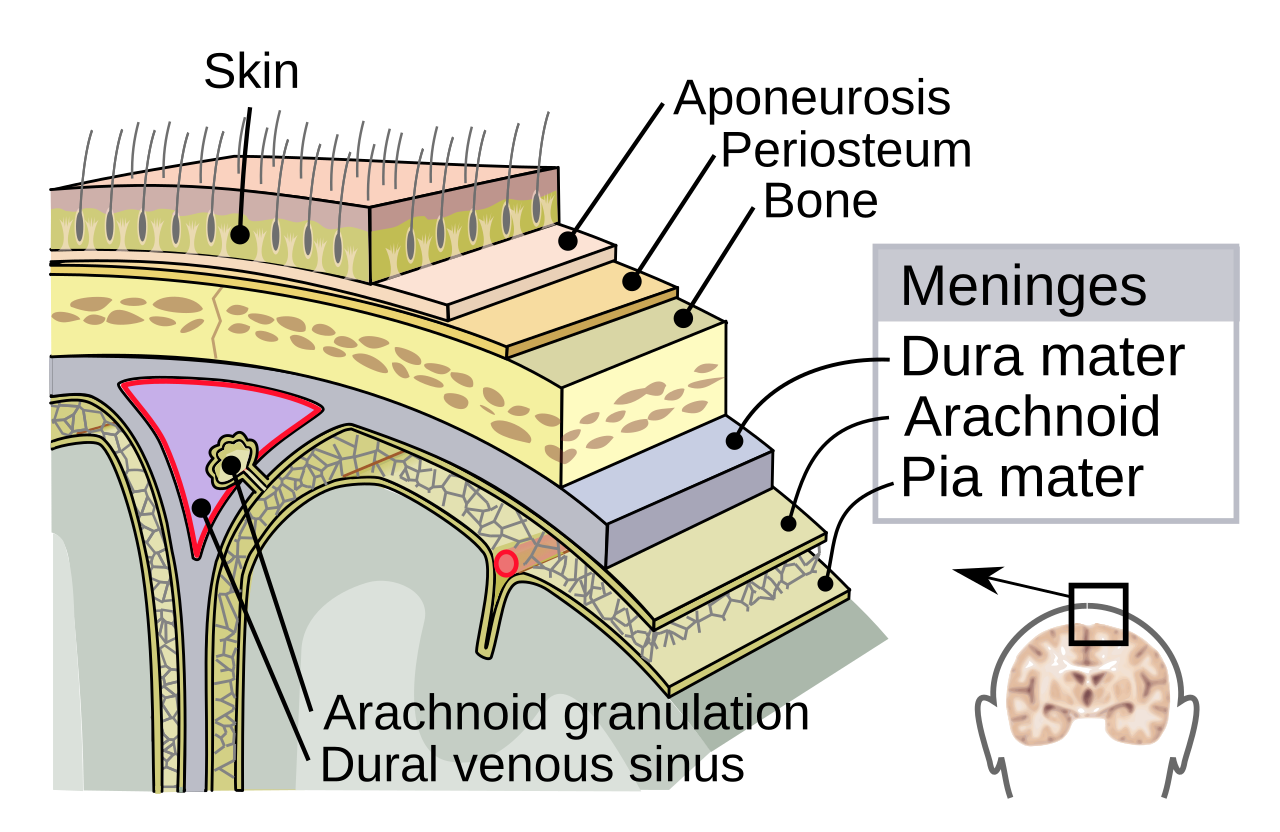
Imagine a world where one of medicine's greatest breakthroughs never happened. A world where a common infection, today often treatable, remained a deadly specter. This is the stark reality we delve into when we consider meningitis in a timeline bereft of penicillin. Meningitis, at its core, is a serious and potentially life-threatening inflammation of the meninges – the protective membranes surrounding the brain and spinal cord. As a core topic for any Meningitis Wiki, understanding its nature is paramount.
The disease manifests with a range of acute or chronic symptoms that demand immediate medical attention. The most common indicators include a sudden onset of fever, an intense, throbbing headache, persistent vomiting, and the hallmark sign of neck stiffness, which often makes it difficult or painful to touch the chin to the chest. Photophobia, an increased sensitivity to light, is also a frequent companion. As the condition progresses, individuals may experience confusion, altered consciousness, nausea, and an inability to tolerate loud noises (phonophobia).
Children, especially infants, often present a more insidious challenge, exhibiting only non-specific symptoms such as unusual irritability, excessive drowsiness, or poor feeding. A non-blanching rash – one that doesn't fade when a glass is pressed against it – is a particularly alarming symptom that can indicate severe bacterial forms, signaling a medical emergency. For a deeper dive into these symptoms and how to identify them in various age groups, refer to our guide on Recognizing Meningitis: Key Symptoms in Adults and Children.
Before the advent of powerful antibiotics like penicillin, a diagnosis of bacterial meningitis was often a death sentence, or at best, a gateway to severe, life-altering neurological damage. Even today, despite advancements, early diagnosis and swift treatment remain critical for survival and preventing long-term complications such as hearing loss, brain damage, or learning disabilities.
A World Without Penicillin: The Grim Reality
The story of penicillin's discovery by Alexander Fleming in 1928 is one of the most celebrated accidents in medical history. It ushered in the age of antibiotics, transforming the treatment of countless bacterial infections from often fatal conditions into manageable ailments. But what if this pivotal moment had been erased from history? An intriguing alternative timeline explored in fictional narratives offers a chilling glimpse into such a world.
In this hypothetical scenario, fate took a cruel turn. The RMS Lusitania, which sank in 1915 in our timeline, remained afloat. Consequently, a petty criminal named Eric Charles Vincent, who would have perished in its sinking, survived. In December 1927, Vincent committed a botched robbery attempt that tragically led to the death of Alexander Fleming, just months before his monumental discovery of penicillin.
The immediate and devastating consequence of this absence became horrifyingly apparent decades later. By 1956, without the protective shield of penicillin, humanity was left vulnerable to new, virulent strains of meningitis and pneumonia. These diseases, once held in check or treatable in our reality, raged unchecked, sweeping across the globe in devastating epidemics. Hospitals would have been overwhelmed, their wards filled with patients suffering from intractable fevers, agonizing headaches, and the tell-tale rigidity of a meningitic infection, with doctors powerless to offer anything beyond palliative care.
The mortality rate would have skyrocketed, and survivors would have faced a grueling battle against debilitating complications. Children, particularly susceptible to severe forms of meningitis, would have borne a disproportionate burden of suffering and death. The fear and despair would have been palpable, a constant shadow over daily life, as communities grappled with widespread illness and a profound sense of helplessness.
The Ripple Effect: Societal and Technological Stagnation
The impact of penicillin's absence would not have been confined to health crises alone. The loss of millions and the debilitating effects on survivors would have created a profound ripple effect across society, stifling progress and altering the course of human development for centuries. History shows that societal advancement often hinges on the health and vitality of its population. Widespread disease saps energy, diverts resources, and erodes the collective will to innovate.
Consider the trajectory of a world constantly battling deadly epidemics of meningitis and pneumonia:
- Demographic Shift and Economic Decline: High mortality rates, especially among the young and productive segments of the population, would shrink the workforce and diminish future generations. Economic activity would grind to a halt as illness became the primary concern, leading to widespread poverty and instability.
- Resource Reallocation: Research and development, typically focused on grander scientific or technological endeavors, would be perpetually redirected towards crisis management and the desperate search for cures, or at least effective palliatives, for rampant diseases. Scarce resources would be consumed by immediate medical needs rather than long-term strategic investments.
- Erosion of Optimism and Ambition: A society constantly under siege by incurable diseases would likely foster a climate of pessimism and resignation. The grand ambitions that drive human exploration and innovation – like the dream of space travel – would seem distant and irrelevant in the face of such profound earthly suffering.
In this alternate timeline, the absence of penicillin directly led to a stunning consequence: humanity never developed a space program. The resources, ingenuity, and collective will that fueled the space race in our timeline were simply unavailable, consumed by the fight for survival against diseases that were once simple infections. Furthermore, this societal stagnation had far-reaching geopolitical implications. Without the Earth Alliance, which emerged from a more advanced, unified humanity, powerful entities like the Knights of Velyshaa were not defeated in 3562, leading to an entirely different, and perhaps bleaker, future for the galaxy.
The "Meningitis Baby Watch" poster seen in another fictional context serves as a poignant reminder of the enduring fear and vigilance surrounding this disease, even in our own reality where treatments exist. In a world without penicillin, such campaigns would be steeped in far greater dread, highlighting the extreme vulnerability of infants and the agonizing helplessness of parents.
The Indispensable Role of Antibiotics and Modern Medicine
The hypothetical world without penicillin serves as a powerful testament to the transformative power of medical science and the profound impact a single discovery can have on the course of human history. Our reality, profoundly shaped by Alexander Fleming's work, is one where bacterial meningitis, while still serious, is largely treatable and preventable.
The development of penicillin paved the way for a plethora of other antibiotics, revolutionizing medicine and public health. Beyond treatment, significant strides have been made in prevention. Vaccines, such as the meningococcal, pneumococcal, and Hib vaccines, have dramatically reduced the incidence of several forms of bacterial meningitis, offering a shield against these once-dreaded pathogens.
Practical advice in our current world centers on:
- Vaccination: Ensuring children and at-risk adults receive recommended immunizations is the most effective proactive measure against several types of meningitis.
- Early Recognition: Being aware of the symptoms of meningitis and seeking immediate medical attention is crucial. Time is of the essence, especially with bacterial forms.
- Prompt Treatment: If meningitis is suspected, doctors will often initiate antibiotic treatment immediately, even before definitive diagnostic test results are available, due to the rapid progression of the disease.
- Hygiene: Practicing good hygiene, such as frequent handwashing, can help prevent the spread of germs that can cause meningitis.
The narrative of Kyle's diagnosis in a Kyropite-induced dream, though fictional, underscores the deeply ingrained fear and anxiety associated with meningitis. It highlights how even in our current medical landscape, the potential severity of the disease remains a significant concern for parents and families.
Conclusion
The thought experiment of a world without penicillin and its cascading effects on meningitis, pneumonia, and even space exploration, paints a stark picture of human vulnerability. It serves as a powerful reminder of the delicate balance of scientific progress and the profound impact of medical breakthroughs on public health, societal stability, and technological advancement. From averting widespread epidemics to enabling the dreams of venturing beyond Earth, penicillin's legacy is immense.
Today, as we navigate the complexities of antibiotic resistance and new infectious challenges, the lesson from this alternate history remains clear: vigilance, continued research, and robust public health initiatives are not just beneficial, but absolutely vital. They are the guardians that protect us from returning to a time when diseases like meningitis could relentlessly alter the very fabric of human civilization.